200 Hour Yoga Teacher Training in Nepal
Embarking on a 200 Hour Yoga Teacher Training in Nepal offers a transformative journey into the heart of authentic yogic science. Set against the serene backdrop of the Himalayas—the ancestral birthplace of ancient sages and meditative traditions—Nepal provides an ideal, undisturbed sanctuary for deep spiritual practice (Sadhana), self-discovery, and professional education.
This program bridges traditional Himalayan yogic practices with modern anatomical science, functional movement mechanics, and systematic teaching methodology, preparing trainees to become confident, international yoga instructors.
Overview of the 200 Hour Yoga Teacher Training Course
The 200 Hour Yoga Teacher Training Course (YTTC) in Nepal is an intensive foundational program designed for both aspiring teachers and dedicated practitioners seeking to deepen their personal practice. Structured around international educational standards, the course provides a balanced foundation across physical, theoretical, and pedagogical disciplines.
Course Core Structure & Curriculum Pillars
-
Foundational & Intermediate Asana Practice: Intensive alignment laboratories covering Hatha Yoga, Ashtanga Vinyasa, posture modifications, prop usage, and kinetic movement safety.
-
Pranayama & Energetic Cleansing: Comprehensive training in classical breath control techniques (Nadi Shodhana, Ujjayi, Kapalabhati, Bhastrika) and purifying Shatkarma kriyas (Jala Neti, Trataka).
-
Anatomy, Physiology & Biomechanics: Applied study of the musculoskeletal system, spine loading, joint mechanics, respiratory dynamics, and injury prevention in postures.
-
Classical Yoga Philosophy: In-depth examination of Patanjali’s Yoga Sutras, the Bhagavad Gita, classical Hatha texts, and the integration of ethical precepts (Yamas and Niyamas).
-
Teaching Methodology & Practicum: Hands-on micro-teaching labs focusing on class sequencing, verbal cueing, room management, vocal projection, and real-time posture adjustments.
Why Choose Indian Federation of Yoga for Yoga Teacher Training in Nepal?
The Indian Federation of Yoga (IFY) brings its renowned educational standards, scriptural authenticity, and systematic accreditation framework to the peaceful environment of Nepal. Training with IFY ensures that students receive traditional Himalayan teachings backed by rigorous academic and institutional evaluation.
Key Advantages of Training with IFY in Nepal
-
Authentic Himalayan Lineage & Expert Faculty: Learn directly from master practitioners, traditional scholars, and certified anatomical specialists dedicated to preserving traditional lineage while ensuring modern movement safety.
-
Government Board Alignment (YCB - Ministry of AYUSH): The curriculum directly incorporates the theoretical and practical syllabus required for central government board credentials, preparing trainees for external Yoga Certification Board (YCB Level 1 - Yoga Protocol Instructor) assessments.
-
Standardized International Certification: Graduates receive the official 200-Hour Yoga Teacher Training Certificate issued by the Indian Federation of Yoga, establishing valid professional credentials recognized across yoga studios, wellness resorts, and health institutions globally.
-
Immersive Sattvic Environment: Programs in Nepal feature a structured ashram routine, organic Sattvic meals, daily meditation sessions, and an environment optimized for uninterrupted focus and inner transformation.
Course Highlights and Key Information
Course Duration and Total Training Hours
The 200-Hour Yoga Teacher Training Course in Nepal is structured across two distinct completion tracks designed to accommodate different learning schedules:
-
1-Month Accelerated Residential Immersion: 28 days of full-time residential study involving daily intensive physical alignment labs, philosophy lectures, pranayama sessions, and micro-teaching practicums.
-
3-Month Hybrid / Online Track: 12 weeks of structured live interactive virtual lectures combined with self-paced study modules and weekend practical workshops.
-
Total Training Hours: 200 Contact & Non-Contact Hours, comprising 130 hours of practical posture execution, alignment, and teaching labs, plus 70 hours of theoretical instruction in anatomy, scriptural philosophy, and teaching methodology.
Training Location and Learning Environment
Set against the tranquil Himalayan hills of Nepal, the training center offers an undisturbed sanctuary optimized for deep practice (Sadhana) and spiritual focus.
-
Peaceful Natural Surroundings: Away from urban distractions, surrounded by mountain views, fresh air, and lush green landscapes ideal for outdoor pranayama and meditation.
-
Dedicated Yoga Shala: Spacious, fully equipped practice halls featuring natural lighting, wood flooring, and specialized props (blocks, straps, bolsters, and wall support).
-
Sattvic Ashram Living: On-site residential accommodation offering clean, private or shared rooms, dedicated silent reflection spaces, and three nutritious, freshly prepared vegetarian (Sattvic) meals daily designed to support physical digestion and energetic clarity.
Teaching Format and Batch Size
To ensure academic rigor and personal development, the program maintains a disciplined, student-focused educational structure.
-
Intensive Daily Schedule: Programs run on a structured ashram routine starting with early morning meditation and cleansing kriyas, followed by morning posture alignment labs, afternoon philosophy and anatomy lectures, and evening micro-teaching practicums.
-
Small Batch Limit: Enrolments are capped at 15 to 20 students per batch to guarantee an optimal teacher-to-student ratio.
-
Personalized Mentorship: Small class sizes allow lead trainers and anatomical specialists to deliver direct tactile adjustments, continuous verbal feedback, and individualized career guidance throughout the course.
Language of Instruction
All educational materials, live lectures, alignment clinics, and examination papers are delivered with complete clarity to support both domestic and international trainees.
-
Primary Language: English (used across all core lectures, course manuals, cueing labs, and evaluations).
-
Bilingual Support: Hindi / Nepali language support is available during dedicated Q&A sessions, practical feedback labs, and scriptural discussions to assist regional candidates.
200 Hour Yoga Teacher Training Course Syllabus
Hatha Yoga and Asana Practice
Hatha Yoga forms the foundational physical pillar of the 200-Hour YTTC, emphasizing structural alignment, breath synchronization, and joint stability.
-
Standing Postures: Tadasana, Vrikshasana, Trikonasana, Parsvakonasana, Virabhadrasana I, II & III, Parivrtta Trikonasana, and Garudasana. Focus is placed on weight distribution across foot arches, knee joint tracking, and pelvic stabilization.
-
Seated & Forward Bends: Dandasana, Paschimottanasana, Janu Sirsasana, Baddha Konasana, and Upavistha Konasana. Focus lies on pelvic tilting, spinal axial extension, and releasing hip flexors without rounding the lumbar spine.
-
Prone & Backbends: Bhujangasana, Shalabhasana, Dhanurasana, and Urdhva Mukha Svanasana. Emphasizes thoracic spinal extension, scapular retraction, and gluteal engagement to avoid compressive lower back load.
-
Supine & Inversions: Setu Bandhasana, Supta Padangusthasana, Sarvangasana, Halasana, and Matsyasana. Focuses on cervical spine safety, core stabilization, and inverted circulation return.
-
Prop Adaptation & Alignment Clinics: Utilizing blocks, straps, bolsters, and wall supports to adapt poses for restricted mobility, anatomical variations, and injury prevention.
Ashtanga Vinyasa Yoga
The Ashtanga Vinyasa module introduces dynamic, breath-synchronized movement systems, building endurance, internal heat (Tapas), and rhythmic flow.
-
Surya Namaskar A & B: Detailed breakdown of the classical 9-vinyasa (Sun A) and 17-vinyasa (Sun B) counts, matching specific inhalations and exhalations to each transition.
-
Primary Series Standing Postures: Padangusthasana, Padahastasana, Utthita Trikonasana, Utthita Parsvakonasana, Prasarita Padottanasana A–D, and Parsvottanasana.
-
Vinyasa Flow Mechanics: Mastering the Jump Through and Jump Back transitions, step-backs, lowering through Chaturanga Dandasana, and maintaining core stability during dynamic movements.
-
Drishti & Bandha Integration: Applying focused gaze points (Drishti) alongside internal energetic locks (Mula and Uddiyana Bandha) to maintain stability during dynamic movement.
Pranayama and Breathing Techniques
This module covers classical breath regulation systems designed to balance the nervous system and control vital energy (Prana).
-
Preparatory Respiratory Mechanics: Diaphragmatic, thoracic, and clavicular breathing drills to restore natural lung capacity.
-
Vital Pranayama Practices: Structured progression of Anulom Vilom, Nadi Shodhana (alternate nostril), Ujjayi (victorious breath), Bhramari (humming bee), Kapalabhati (skull-shining breath), Bhastrika (bellows breath), Sheetali, and Sheetkari.
-
Energetic Retentions (Kumbhaka): Introduction to internal (Antar Kumbhaka) and external (Bahya Kumbhaka) breath holds under faculty supervision.
-
Cleansing Kriyas (Shatkarma): Practical training in Jala Neti (nasal irrigation) and Trataka (gaze fixation), combined with theoretical grounding in Dhauti, Nauli, Basti, and Kapalabhati.
Meditation and Mindfulness
Meditation training guides practitioners from initial concentration techniques (Dharana) into sustained meditative states (Dhyana).
-
Concentration Practices (Dharana): Breath awareness monitoring, candle flame gazing (Trataka), and Mantra repetition to quiet mental fluctuations (Chitta Vrittis).
-
Mindfulness & Witness Consciousness: Cultivating non-judgmental witness awareness (Sakshi Bhava) to observe thoughts, emotions, and physical sensations without attachment.
-
Yoga Nidra: Systematic 8-stage guided psychic sleep routines designed to release physical, emotional, and muscular tension while inducing parasympathetic recovery.
Yoga Philosophy and Traditional Texts
Deep intellectual immersion into the historical, scriptural, and ethical origins of traditional yogic sciences.
-
Patanjali’s Yoga Sutras: Chapter-by-chapter analysis of Sadhana Pada and Samadhi Pada, focusing on mental modifications (Vrittis), causes of suffering (Kleshas), and the Eight Limbs of Yoga (Ashtanga Marga).
-
The Bhagavad Gita: Exploration of duty (Dharma), selfless action (Nishkama Karma), maintaining equanimity amidst dualities, and the three paths (Karma, Bhakti, Jnana Yoga).
-
Classical Hatha Literature: Insights from Hatha Yoga Pradipika and Gheranda Samhita regarding physical cleanses, posture mechanics, and subtle energy systems.
-
Yogic Values & Ethics: Internalizing the 5 social ethics (Yamas: Ahimsa, Satya, Asteya, Brahmacharya, Aparigraha) and 5 personal observances (Niyamas: Saucha, Santosha, Tapas, Svadhyaya, Ishvara Pranidhana) into daily living and teaching conduct.
Anatomy and Physiology
Connecting modern movement science and functional biomechanics directly to posture execution and injury prevention.
-
Musculoskeletal System: Structural study of bones, synovial joints, ligaments, tendons, major muscle groups, and fascia.
-
Movement Biomechanics: Planes of movement (flexion, extension, abduction, adduction, rotation), tension versus skeletal compression, joint range limits, and spinal loading safety.
-
Systemic Physiology: Nervous system regulation (Sympathetic vs. Parasympathetic), respiratory mechanics, cardiovascular circulation, and digestive motility.
-
Subtle Energetic Anatomy: Applied understanding of the 3 main Nadis (Ida, Pingala, Sushumna), 7 primary Chakras, 5 Vayus, and 5 Koshas (sheaths).
Teaching Methodology and Class Sequencing
Equips trainees with practical instructional skills to structure and deliver safe, professional group and private classes.
-
Sequencing Architecture: Designing logical 60-minute class templates incorporating warm-up phases, progressive peak pose preparation, counter-poses, and cool-downs.
-
Instructional Verbal Cues: Mastering clear, direct verbal cueing (action + body part + direction), voice modulation, and room command.
-
Demonstration & Room Dynamics: Using mirror-image demonstration, strategic room positioning, and spatial awareness.
-
Hands-on & Verbal Adjustments: Safe tactile and verbal adjustment techniques using props to support restricted mobility or pre-existing conditions.
Yogic Lifestyle, Ethics and Diet
Focuses on holistic daily living principles, nutrition, and professional standards for yoga educators.
-
Yogic Dietary Principles: Understanding the three Gunas—Sattvic (pure, calming), Rajasic (stimulating), and Tamasic (heavy)—and rules for optimal digestive health.
-
Daily Routines (Dinacharya): Establishing healthy morning routines, proper sleep hygiene, self-discipline, and stress-reduction habits.
-
Professional Code of Conduct: Maintaining student-teacher boundaries, scope of practice, ethical marketing, and studio administrative ethics.
Teaching Practicum and Assessment
The evaluation phase where trainees transition from practitioners to confident, certified instructors under faculty supervision.
-
Peer Micro-Teaching Labs: Leading 15-to-45-minute practice sessions with fellow trainees, receiving direct feedback on cueing, alignment corrections, and pacing.
-
Practical Examination (140 Marks): Demonstration of personal posture mastery, class delivery, cueing precision, adjustment safety, and oral scriptural defense (Viva Voce).
-
Theory Examination (60 Marks): Written assessment covering yoga philosophy, functional human anatomy, respiratory mechanics, and teaching ethics.
“दूरेण ह्यवरं कर्म बुद्धियोगाद्धनञ्जय। बुद्धौ शरणमन्विच्छ कृपणाः फलहेतवः॥
योगिनामपि सर्वेषां मद्गतेनान्तरात्मना। श्रद्धावान्भजते यो मां स मे युक्ततमो मतः॥”
"Bhagavad Gita”
Daily Schedule of the Yoga Teacher Training Course
The daily schedule for the 200-Hour Yoga Teacher Training Course in Nepal is carefully designed to balance intensive practical training, deep scriptural study, and dedicated personal reflection (Sadhana). Grounded in traditional ashram living, this daily routine fosters mental discipline, physical endurance, and a smooth transition into parasympathetic recovery.
Daily Training Timetable
| Time Slot
|
Module / Activity
|
Core Focus & Educational Objectives
|
| 05:30 AM – 06:00 AM | Morning Awakening & Shatkarma | Wake-up call, personal hygiene, and supervised nasal cleansing (Jala Neti) and skull-shining purification (Kapalabhati). |
| 06:00 AM – 07:30 AM | Pranayama, Mudra & Meditation | Diaphragmatic breathing drills, classical breath regulation (Nadi Shodhana, Ujjayi, Bhramari), energetic locks (Bandhas), and guided concentration. |
| 07:30 AM – 09:00 AM | Morning Asana Practice (Hatha / Vinyasa) | Intensive posture practice focusing on alignment, joint tracking, breath-synchronized transitions, and physical conditioning. |
| 09:00 AM – 10:00 AM | Sattvic Breakfast | Freshly prepared, nutritious vegetarian breakfast designed for light digestion and sustained energy. |
| 10:00 AM – 11:30 AM | Yoga Philosophy & Scriptures | In-depth scriptural lectures covering Patanjali’s Yoga Sutras, the Bhagavad Gita, classical Hatha texts, and yogic ethics (Yamas & Niyamas). |
| 11:30 AM – 01:00 PM | Human Anatomy & Biomechanics | Applied movement science, musculoskeletal identification, joint planes, respiratory mechanics, and injury prevention techniques. |
| 01:00 PM – 02:30 PM | Sattvic Lunch & Rest | Wholesome vegetarian meal followed by structured downtime for digestion, self-study, and mental rest. |
| 02:30 PM – 04:00 PM | Teaching Methodology & Alignment Clinic | Posture breakdown, prop adaptations (blocks, straps, bolsters), safe verbal/hands-on adjustment labs, and sequencing logic. |
| 04:00 PM – 04:30 PM | Herbal Tea Break | Herbal infusion break and light refreshments for rejuvenation. |
| 04:30 PM – 06:00 PM | Evening Asana Practice & Ashtanga Flow | Dynamic series practice, primary sequence breakdown, posture variations, and restorative cool-down sequences. |
| 06:00 PM – 07:00 PM | Shatkarma, Yoga Nidra & Meditation | Guided Trataka (candle-gaze meditation), 8-stage Yoga Nidra psychic sleep relaxation, and evening silent reflection. |
| 07:00 PM – 08:00 PM | Sattvic Dinner | Nourishing, warm evening vegetarian meal supporting physical recovery and digestive ease. |
| 08:00 PM – 09:00 PM | Satsang & Self-Study | Group chanting, Q&A discussions, assignment logging, and reflection on the day's learnings. |
| 09:30 PM | Lights Out & Sleep Hygiene | Complete quietude and night rest to ensure optimal physical recovery and mental alertness for the next day. |
Key Principles of the Daily Routine
-
Disciplined Ashram Structure: Rising before sunrise aligns the body's circadian rhythms with natural cycles, promoting mental clarity and energetic vitality.
-
Balanced Physical & Theoretical Workload: Alternating physical posture sessions with academic lectures prevents physical fatigue while reinforcing intellectual retention.
-
Integrated Micro-Teaching: Afternoon alignment clinics and methodology sessions allow trainees to immediately apply theoretical anatomical concepts to live peer instruction.
Upcoming 200 Hour Yoga Teacher Training Dates in Nepal
The Indian Federation of Yoga (IFY) conducts monthly 200-Hour Yoga Teacher Training Courses at the Nepal ashram campus, starting on the 3rd of every month. Below is the recurring monthly batch schedule for full-time 1-Month Residential Immersions.
Monthly Residential Immersion Dates
All residential batches run continuously for 28 days and include full-board accommodation, three daily Sattvic meals, official training manuals, neti pot kits, and integrated YCB Level 1 examination fees.
|
Batch Cycle |
Start Date |
End Date |
Status & Availability |
| Batch 1 | 3rd | 30th | Filling Fast (Limited Seats) |
| Batch 2 | 3rd | 30th | Open for Registration |
| Batch 3 | 3rd | 2nd (Following Cycle) | Open for Registration |
| Batch 4 | 3rd | 30th | Open for Registration |
| Batch 5 | 3rd | 30th | Open for Registration |
| Batch 6 | 3rd | 30th | Open for Registration |
| Batch 7 | 3rd | 30th | Open for Registration |
| Batch 8 | 3rd | 30th | Open for Registration |
| Batch 9 | 3rd | 30th | Open for Registration |
| Batch 10 | 3rd | 30th | Open for Registration |
| Batch 11 | 3rd | 30th | Peak Session (Filling Fast) |
| Batch 12 | 3rd | 30th | Open for Registration |
Enrolment & Reservation Guidelines
-
Fixed Monthly Intake: Residential immersions consistently launch on the 3rd day of each calendar cycle, allowing trainees to plan travel predictably.
-
Strict Batch Cap: To preserve an optimal teacher-to-student ratio and deliver personalized tactile posture adjustments, each monthly intake is strictly capped at 15 to 20 trainees.
-
Advance Booking Recommendation: Candidates are encouraged to complete registration at least 30 to 45 days prior to the 3rd of their preferred cycle to ensure room allocation and receive preparation materials.
-
Included Certifications: Every batch covers full eligibility processing for the official Indian Federation of Yoga (IFY) 200-Hour Certificate and registration for the Yoga Certification Board (YCB Level 1 - Yoga Protocol Instructor) exam under the Ministry of AYUSH.
Course Fees and Payment Details
The Indian Federation of Yoga (IFY) maintains a clear, all-inclusive fee structure for the 200-Hour Yoga Teacher Training Course, offering distinct pricing tiers for Indian nationals and international trainees across residential and live online learning options.
Comprehensive Fee Structure
|
Trainee Category |
Training Mode & Duration |
Total Course Fee |
Government Board Integration |
| Indian Nationals | 3-Month Hybrid / Online Track | Rs.25,000 INR | Included (YCB Level 1 Exam Fees) |
| International Students | Live Interactive Online Track | $1,350 USD | Included (YCB Level 1 Exam Fees) |
| International Students | 1-Month Residential Immersion (Nepal Ashram) | $1,750 USD | Included (YCB Level 1 Exam Fees) |
What Is Included in the Course Fee?
-
Full Tuition & Training Modules: Complete access to all 200 contact hours of instruction covering Hatha Yoga, Ashtanga Vinyasa, Pranayama, Shatkarma, Philosophy, Applied Anatomy, and Micro-Teaching Labs.
-
YCB Level 1 Exam Fees Included: Official central government examination registration, assessment fees, and processing for YCB Level 1 (Yoga Protocol Instructor) certification under the Ministry of AYUSH.
-
IFY Institutional Certification: Official 200-Hour Yoga Teacher Training Certificate issued directly by the Indian Federation of Yoga (IFY) upon successful evaluation.
-
Full-Board Accommodation (Residential Track): Private or shared room lodging at the quiet Nepal ashram campus for the entire 28-day program duration.
-
Sattvic Meals & Refreshments (Residential Track): Three daily freshly prepared vegetarian (Sattvic) meals, filtered drinking water, and daily herbal teas optimized for digestion and energetic focus.
-
Official Study Materials & Gear: Comprehensive printed or digital 200-Hour YTTC training manuals, workbooks, yogic cleansing kit (Jala Neti pot), and uniform items.
-
Facility & Prop Access: Unlimited use of the dedicated Yoga Shala, meditation halls, library resources, props (blocks, straps, bolsters), and Wi-Fi facilities.
What Is Not Included?
-
Travel & Airfare: International and domestic flights, train tickets, or personal transit to and from the Nepal training location.
-
Visa Fees: Nepal entry visa fees, passport renewal charges, or related travel documentation processing.
-
Personal Expenses & Leisure: Personal laundry, off-campus meals, cafe visits, personal sightseeing tours, and discretionary spending during free days.
-
Medical & Travel Insurance: Mandatory personal health, medical, travel, or emergency evacuation insurance coverage.
-
Optional Textbooks: External recommended scriptural translations or auxiliary reading books outside the provided core IFY manuals.
Payment, Deposit and Cancellation Policy
-
Seat Reservation Deposit: To confirm enrolment in a scheduled batch (capped strictly at 15 to 20 trainees), a non-refundable advance deposit of $200 USD (for international students) or Rs.5,000 INR (for Indian nationals) is required upon application approval.
-
Remaining Balance Payment: The balance of the course fee must be settled on or before the first day of orientation via bank transfer, international credit/debit card, or direct online gateway.
-
Cancellation & Refund Policy:
-
Advance Deposits: All initial seat reservation deposits are non-refundable but remain valid for transfer to any future batch within 12 months of the original start date (upon 15 days' advance written notice).
-
Course Cancellation: If a trainee cancels enrolment at least 30 days prior to the course start date, any paid tuition fees exceeding the deposit will be refunded in full.
-
Mid-Course Withdrawal: Once the batch orientation has commenced, course fees are non-refundable under any circumstances due to fixed residential and faculty allocations.
-
Accommodation, Meals and Facilities
The residential campus in Nepal provides a serene, supportive environment tailored to the physical demands and spiritual focus of an intensive 200-Hour Yoga Teacher Training Course. Designed around traditional ashram principles with modern comforts, the facilities ensure students can immerse themselves entirely in their practice (Sadhana) and studies.
Accommodation Features
Living on campus allows trainees to step away from daily distractions and fully embrace a disciplined yogic lifestyle.
-
Room Configurations: Clean, well-ventilated rooms available in both private single and shared double options, equipped with comfortable bedding, storage space, study desks, and private attached bathrooms with hot water showers.
-
Serene Surroundings: Positioned away from urban noise, rooms offer natural lighting, fresh mountain air, and peaceful views of the surrounding Himalayan hills.
-
Essential Amenities: High-speed Wi-Fi access in common areas, regular housekeeping service, and dedicated laundry facilities to support a comfortable 28-day stay.
Sattvic Meals and Nutrition
Diet is an integral pillar of yogic practice. Meals served at the campus are prepared fresh daily using seasonal, locally sourced vegetarian ingredients designed to enhance physical vitality, mental clarity, and digestive ease.
|
Meal Time |
Menu Concept |
Health & Energetic Focus |
| Morning Breakfast | Fresh fruits, oatmeal, herbal teas, sprouted grains, nuts, and traditional light Indian/Nepali breakfast dishes. | Easy to digest after morning practice; delivers sustained energy for daytime lectures. |
| Mid-day Lunch | Traditional Sattvic Thali: whole grain rice, freshly made rotis, dal (lentils), seasonal vegetable curries, and fresh salads. | Balanced protein, complex carbohydrates, and essential nutrients to nourish physical recovery. |
| Evening Refreshments | Freshly brewed herbal infusions, Ayurvedic teas, and light healthy snacks. | Hydrates the body and restores energy prior to evening practice and meditation. |
| Nourishing Dinner | Light soups, steamed vegetables, grains, and mild lentil dishes. | Promotes light digestion before sleep to ensure deep rest and early morning alertness. |
Note: Special dietary requirements (vegan, gluten-free, or lactose-free) are happily accommodated upon advance request during registration.
On-Campus Facilities
-
Spacious Yoga Shalas: Dedicated indoor and open-air practice halls featuring timber flooring, natural ventilation, ambient lighting, and panoramic mountain views.
-
Fully Equipped Practice Gear: Complete access to high-density mats, yoga blocks, cotton straps, bolsters, blankets, and wall anchors for alignment clinics.
-
Meditation & Quiet Zones: Dedicated silent spaces, peaceful outdoor gardens, and reflection corners designed for self-study, journaling, and daily Satsang.
-
On-Site Library: Collection of foundational texts on Hatha yoga, Patanjali philosophy, human anatomy, biomechanics, and Ayurvedic health for reference during study hours.
Eligibility and Who Can Join the Course
The 200-Hour Yoga Teacher Training Course in Nepal is structured to be accessible, inclusive, and academically thorough. Designed to meet international vocational standards, the program welcomes participants from diverse backgrounds, physical capabilities, and age groups who are committed to personal development and professional growth.
Can Beginners Join?
Yes, beginners are fully eligible and welcome to join the course.
The 200-Hour YTTC is engineered as a foundational, entry-level teacher training program. The curriculum begins with fundamental movement mechanics, foundational posture alignment, basic breathwork techniques, and introductory scriptural study.
-
Progressive Pedagogy: Instruction builds step-by-step, allowing beginners to develop physical strength, flexibility, and instructional confidence safely throughout the 28-day residential immersion or 3-month hybrid track.
-
Prop Adaptations: Trainees learn early on how to utilize props (blocks, straps, bolsters, and wall support) to adapt postures to their unique body structures, preventing strain while learning accurate alignment.
-
Diverse Objectives: Whether your goal is to become a certified professional teacher or simply to build a disciplined personal practice from the ground up, the course provides the necessary foundational structure.
Do You Need Previous Yoga Experience?
Prior formal teaching experience or advanced physical mastery is not required. However, having a basic familiarity with general yoga practice is highly recommended.
-
Recommended Preparation: Engaging in regular personal practice (such as attending basic Hatha or Vinyasa group classes, practicing home videos, or engaging in light movement routines) for 2 to 4 weeks prior to the course start date helps prepare the body for the daily physical schedule.
-
Mindset Over Mastery: Lead faculty prioritize an open mind, willingness to learn, receptive attitude (Svadhyaya), and dedication to self-discipline over the ability to perform complex or advanced postures.
-
Inclusivity: The course is designed to meet practitioners where they are, refining existing habits for experienced practitioners while establishing healthy alignment fundamentals for relative newcomers.
Age and Physical Preparation
To ensure a safe and productive learning experience for all trainees, the program operates under clear age and health guidelines:
-
Age Requirement: Applicants must be at least 18 years of age at the start of the course. There is no upper age limit, provided the candidate is in good health and capable of participating in daily physical sessions.
-
Physical & Mental Health: Trainees should possess general physical fitness suitable for 3 to 4 hours of daily physical posture practice (Yogasana). Candidates with pre-existing injuries, chronic conditions, back issues, or recent surgeries must disclose them during enrolment so instructors can provide personalized modifications.
-
Pre-Course Readiness: While severe athletic conditioning is not necessary, building basic stamina through regular walking, gentle stretching, and light joint mobility drills prior to arrival helps ensure a smooth transition into the ashram schedule.
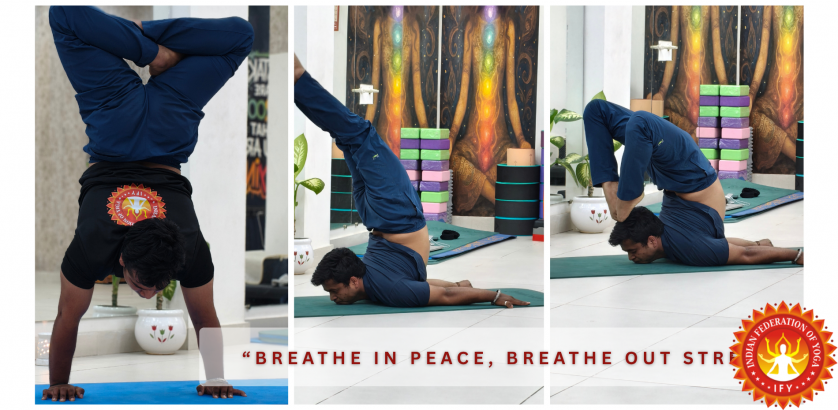
Certification After Completing the 200 Hour Course
Successful completion of the 200-Hour Yoga Teacher Training Course in Nepal marks the transition from student to certified yoga educator. Certification ensures that graduates possess the physical skills, theoretical understanding, and teaching competency required to lead classes safely and effectively.
Certificate Issuing Organisation
Graduates of the program receive dual credential support:
-
Indian Federation of Yoga (IFY): Upon satisfying all internal course criteria, trainees are awarded the official 200-Hour Yoga Teacher Training Certificate or Diploma in Yoga issued directly by the Indian Federation of Yoga (IFY). As a premier national yoga body, IFY certifications are recognized across yoga studios, wellness resorts, corporate health programs, and private institutes internationally.
-
Yoga Certification Board (YCB - Ministry of AYUSH): The course curriculum is systematically aligned with the syllabus for YCB Level 1 (Yoga Protocol Instructor) under the Ministry of AYUSH, Government of India. Enrolled students are registered and processed to sit for the official central government board examinations. Passing this national assessment awards an official government credential recognized for public and private sector teaching positions.
Assessment and Attendance Requirements
To qualify for certification, candidates must meet rigorous academic, practical, and discipline-based evaluation benchmarks:
-
Mandatory Attendance Standard: Trainees must maintain a minimum of 90% attendance across all practical alignment labs, philosophy lectures, applied anatomy sessions, and micro-teaching clinics.
-
Continuous Internal Assessment: Faculty monitor daily progress, evaluate micro-teaching peer labs, review sequence assignments, and inspect practical posture adjustments throughout the 28-day residential or 3-month hybrid track.
-
200-Mark Dual-Passing Examination Framework:
-
Theory Examination (60 Marks): Written test covering Patanjali’s Yoga Sutras, Hatha literature, applied musculoskeletal anatomy, respiratory mechanics, and teaching ethics. A minimum score of 70% (42 marks) is required to pass.
-
Practical & Viva Voce Assessment (140 Marks): Hands-on evaluation assessing posture execution, alignment precision, verbal cueing clarity, prop usage, room management, and an oral defense (Viva Voce) on yogic principles. A minimum score of 70% (98 marks) is required to pass.
-
Further Registration or Professional Pathways
Obtaining the 200-Hour IFY credential and YCB Level 1 certification opens structured career and educational pathways:
-
Immediate Career Entry: Graduates are qualified to teach foundational Hatha and Ashtanga Vinyasa classes, lead community sessions (such as Common Yoga Protocol workshops), conduct private client sessions, and run corporate stress-management clinics.
-
Advanced Training Progression: The 200-Hour certificate serves as the prerequisite to enroll in the 300-Hour Advanced Yoga Teacher Training Course, which elevates qualifications to YCB Level 2 (Yoga Wellness Instructor) for preventive health roles.
-
Master Qualification: Completing both 200-Hour and 300-Hour trainings prepares candidates for the 500-Hour Master Diploma and YCB Level 3 (Yoga Teacher & Evaluator) credential, enabling graduates to teach advanced therapeutics, direct teacher training programs, and serve on official examination panels.
Career Opportunities After Yoga Teacher Training
Completing an accredited 200-Hour Yoga Teacher Training Course certified by the Indian Federation of Yoga (IFY) and aligned with the central government Yoga Certification Board (YCB Level 1) under the Ministry of AYUSH opens a wide array of professional avenues in India and abroad. The certification validates your practical alignment skills, anatomical knowledge, and teaching competency, establishing a strong foundation for a career in the wellness industry.
Core Professional Roles
-
Yoga Studio Instructor: Teach foundational Hatha, Ashtanga Vinyasa, and restorative yoga classes at established commercial studios, fitness centers, and gym chains.
-
Private Yoga Practitioner: Offer personalized 1-on-1 sessions tailored to individual client goals, such as flexibility enhancement, stress management, posture correction, or beginner foundation building.
-
Corporate Wellness Consultant: Partner with corporate organizations to conduct desk-yoga sessions, ergonomics awareness, stress-reduction workshops, and guided pranayama programs for employees.
-
Government & Community Yoga Instructor: With the integrated YCB Level 1 (Yoga Protocol Instructor) certification, apply for roles leading public yoga sessions, International Day of Yoga programs, local AYUSH wellness initiatives, and educational institution activities.
Extended Career Avenues
-
Retreat & Ashram Facilitator: Guide daily morning practice, pranayama, and meditation sessions for guests and retreat attendees at wellness resorts, eco-lodges, and international retreats.
-
Online Yoga Educator: Conduct live interactive group classes, create digital yoga courses, and offer remote coaching via online platforms and private digital channels.
-
Specialized Fitness & Athletic Coach: Incorporate flexibility, active recovery, breath regulation, and joint mobility into athletic training programs at sports academies and cross-training centers.
-
School & Institutional Teacher: Lead structured physical education modules, student mindfulness classes, and youthful wellness programs in K-12 schools, colleges, and educational trusts.
Advanced Educational & Professional Progression
-
Foundational Entry (200-Hour YTTC / YCB Level 1): Start conducting group classes, private sessions, corporate workshops, and community protocol sessions.
-
Intermediate Specialization (300-Hour Advanced YTTC / YCB Level 2): Advance to Yoga Wellness Instructor roles, focusing on preventive healthcare, lifestyle management, and therapeutic adjustments.
-
Master Level & Evaluation (500-Hour Master Diploma / YCB Level 3): Qualify as a Yoga Teacher & Evaluator to direct teacher training programs, lead institutional faculties, and serve on official examination panels.
-
Targeted Certifications: Expand your expertise through specialized post-graduate programs in fields such as Prenatal Yoga, Children's Yoga, Senior Fitness, or Applied Yoga Therapy.
How to Apply for 200 Hour Yoga Teacher Training in Nepal
Enrolling in the 200-Hour Yoga Teacher Training Course in Nepal with the Indian Federation of Yoga (IFY) is a straightforward, structured process. Because residential intakes launch on the 3rd of every month and maintain a strict limit of 15 to 20 trainees per batch, completing your application early ensures guaranteed room allocation and timely access to preparatory study modules.
Application Process
-
Submit Online Registration Form: Complete the official admission application form online or through an authorized enrollment counselor. Provide your basic personal details, preferred batch start date (3rd of your chosen month), and select your accommodation preference (private single or shared double room).
-
Review & Initial Screening: The admissions team reviews your profile, health background, and learning objectives. This step ensures you meet the basic health and fitness requirements for intensive physical practice.
-
Receive Admission Confirmation Letter: Upon successful review, you will receive an official Letter of Acceptance detailing your course confirmation, total fee schedule, pre-arrival instructions, and logistics for reaching the Nepal ashram campus.
-
Pre-Course Preparation: Once enrolled, trainees gain access to pre-reading study materials, recommended scriptural outlines, and guidance on physical conditioning prior to travel.
Documents Required
To complete formal registration and register for the integrated Yoga Certification Board (YCB Level 1) exam under the Ministry of AYUSH, candidates must submit digital copies of the following documents during application:
-
Identity Proof:
-
Indian Nationals: Copy of Aadhaar Card, Passport, or Voter ID.
-
International Students: Valid Passport copy (must have at least 6 months of validity remaining from the travel date).
-
-
Educational Qualification: Copy of 10th or 12th standard passing certificate/marksheet (or highest educational qualification completed).
-
Passport-Size Photographs: 2 recent passport-size photographs with a clear background.
-
Medical Fitness Declaration: A basic self-declaration or doctor's certificate confirming physical and mental fitness to engage in daily physical yoga postures and pranayama.
-
Travel Details (Residential Track): Flight or transit itinerary details submitted at least 7 days prior to arrival for ashram pick-up coordination.
How to Reserve Your Seat
-
Advance Deposit Submission: Secure your seat by transferring the non-refundable advance deposit of $200 USD (for international trainees) or Rs.5,000 INR (for Indian nationals).
-
Payment Methods: Deposits can be paid securely via direct bank wire transfer, international credit/debit card, or official online payment gateways.
-
Confirmation Receipt: Once the advance deposit is processed, an official payment receipt and confirmed seat reservation token will be issued immediately.
-
Balance Payment Settlement: The remaining tuition balance is payable on or before the first day of batch orientation at the ashram campus.
FAQ
1. What is a 200 Hour Yoga Teacher Training Course in Nepal?
A 200 Hour Yoga Teacher Training Course is a foundational yoga education programme designed to develop personal yoga practice and teaching skills. It generally covers asana practice, pranayama, meditation, yoga philosophy, anatomy, teaching methodology and supervised teaching practice. Students should check the actual course syllabus, duration and assessment requirements before enrolling.
2. How long does a 200 Hour Yoga Teacher Training Course in Nepal take?
The duration depends on the school's timetable and how the 200 training hours are organised. Residential programmes commonly run as intensive courses over several weeks. Contact IFY for the confirmed duration, daily timetable and next batch schedule.
3. What is the fee for 200 Hour Yoga Teacher Training in Nepal?
The fee depends on the course package and whether accommodation and meals are included. IFY should publish its current fee, room options, payment terms and any additional expenses on this page. Contact the organisation for the latest confirmed fee if the next batch's pricing has not yet been published.
4. Can beginners join a 200 Hour Yoga Teacher Training Course in Nepal?
Yes, many foundational programmes are designed for beginners and intermediate practitioners. However, students should be comfortable with regular physical practice and willing to study yoga theory and teaching methodology. Check IFY's eligibility requirements before applying.
5. What subjects are covered in the 200 Hour Yoga Teacher Training syllabus?
A comprehensive syllabus may include Hatha Yoga, Ashtanga Vinyasa, pranayama, meditation, yoga philosophy, anatomy and physiology, teaching methodology, class sequencing, yogic ethics and supervised teaching practice. The exact subjects and hours should be confirmed through the official IFY syllabus.
6. Does the 200 Hour Yoga Teacher Training in Nepal include accommodation?
Accommodation depends on the course package. IFY should clearly state whether residential accommodation is included, whether shared and private rooms are available, and whether meals and other facilities are covered by the course fee. Students should confirm these details before making a booking.
7. What certificate will I receive after completing the course?
Students who fulfil the programme's attendance, coursework and assessment requirements receive the certificate specified by the issuing organisation. If the certificate is issued by Indian Federation of Yoga, state that clearly. Any separate Indian Federation of Yoga registration or other external recognition must be verified independently.
8. Can I teach yoga after completing a 200 Hour Yoga Teacher Training Course?
A 200-hour foundational programme can help students develop the knowledge and practical skills needed to begin teaching appropriate beginner-level yoga classes. Professional opportunities and eligibility for external registration depend on the training provider, certification pathway and requirements of the country or organisation where the graduate wishes to work.
9. Is previous yoga teaching experience required?
Previous teaching experience is generally not required for an entry-level teacher-training programme. Students should, however, review the provider's requirements for previous practice, attendance and physical preparation. IFY should publish its specific admission criteria.
10. What is the difference between a 200 Hour and a 300 Hour Yoga Teacher Training Course?
A 200-hour programme is generally a foundational teacher-training course. A 300-hour programme is an advanced course intended for students who have already completed an eligible foundational training. The syllabus and entry requirements differ, so students should verify the requirements of the issuing or registration organisation.
11. What should I bring to a yoga teacher training course in Nepal?
Students should generally bring comfortable yoga clothing, personal toiletries, a reusable water bottle, any prescribed personal medicines, travel documents, suitable footwear and a notebook. Check with IFY to confirm whether yoga mats, props and course materials are provided.
12. How can international students apply for the course?
International students should contact IFY to confirm available dates, fees, payment arrangements, training location and admission requirements. They should also check current Nepal entry and visa requirements with official Nepalese immigration sources before travelling.
13. Is the course residential or non-residential?
The format depends on the programme offered by IFY. Publish whether the training is residential, non-residential or available in more than one format. Include the actual venue and accommodation details so applicants can plan their stay.
14. Are practical teaching sessions included?
A teacher-training programme should explain how students practise teaching, receive feedback and demonstrate their understanding of safe instruction. IFY should publish the actual teaching practicum requirements, assessment method and attendance criteria.
15. How do I reserve my seat for the next batch?
Students can contact Indian Federation of Yoga using the official enquiry or admission contact details. IFY should explain the application form, deposit, payment deadlines, confirmation process and cancellation policy. Applicants should receive written confirmation of the batch and course package before paying.

Your email address will not be published. Required fields are marked *
Send Your Query